Politics
Fort Wayne City Council Approves Stormwater Fee Increase Starting 2027
A new tiered stormwater management system passed Tuesday will increase costs for most Fort Wayne households starting in 2027, with officials saying the money will fund repairs to aging drainage infrastructure.
How we reported this
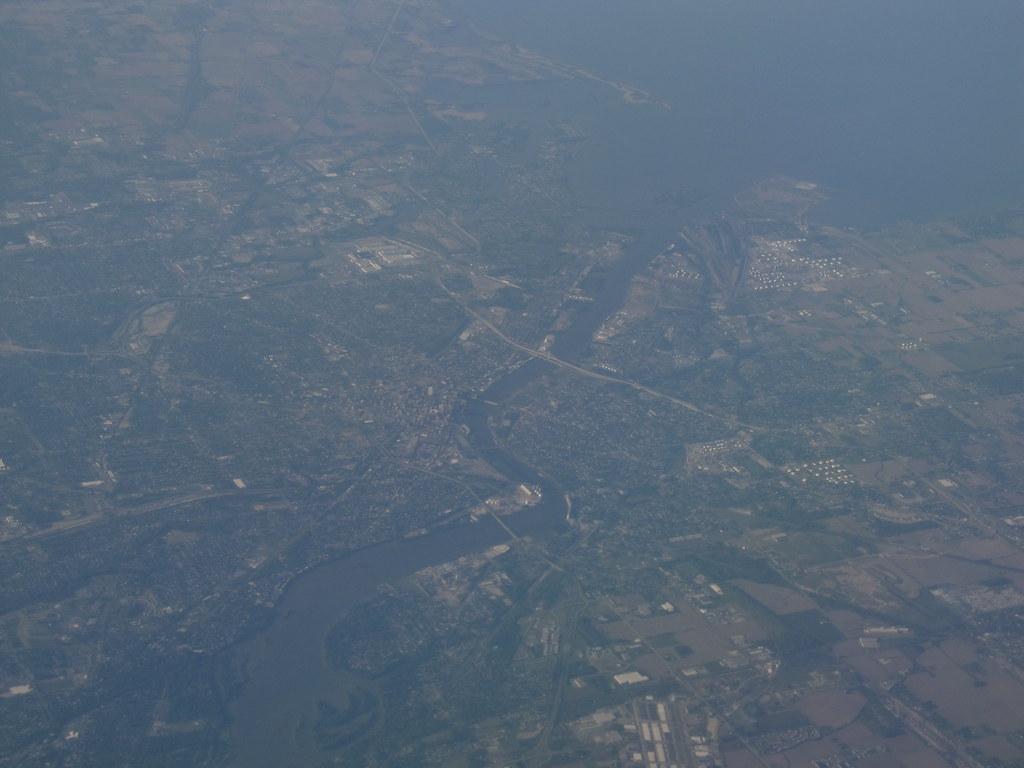
Fort Wayne's city council voted 6-3 on Tuesday to adopt a revised stormwater utility fee structure that will raise charges for the vast majority of residential and commercial properties across the city. The new system, effective January 1, 2027, replaces a flat-rate model with a scale tied directly to the amount of impervious surface on each property-meaning rooftops, driveways, and parking lots will now determine what residents pay each month.
The change affects every property owner in Fort Wayne's municipal limits. According to the Department of Public Works presentation to council, the average household currently paying $8.50 monthly will see that increase to approximately $13.20 under the new structure. Commercial properties with large parking areas or rooftops face steeper jumps. City officials say the fee hike is necessary to address a backlog of stormwater infrastructure maintenance estimated at $156 million across the system.
Why the Timing Matters Now
Fort Wayne's stormwater pipes, storm drains, and retention basins date largely to the 1960s and 1970s. Heavy rainfall events in 2023 and 2024 caused localized street flooding in the Waynedale and Southwick neighborhoods, prompting residents to file complaints with the city. The current flat-fee system generates roughly $18 million annually, far short of what engineers say is needed to maintain the system and prevent future backups during intense storms. Officials note that the Environmental Protection Agency has also cited Fort Wayne for stormwater quality standards in recent compliance reviews.
What this means on the ground: A homeowner at 2847 Kenmore Drive in the Glendale neighborhood who currently pays $102 annually in stormwater fees will pay approximately $158 per year once the new fee takes effect. A small business with a 5,000-square-foot parking lot in the downtown area can expect its fee to roughly triple. The city calculates charges based on square footage of impervious surface, with a base charge plus an incremental rate per hundred square feet. Residents can request a survey to determine their exact impervious surface area, which the city says takes two to three weeks.
Where the Money Goes
The Department of Public Works projects the new fee structure will generate approximately $24.5 million annually once fully implemented, with revenue dedicated to pipe replacement, catch basin repair, and maintenance of storm detention basins around the city. The first-year budget allocates $6.2 million to replace deteriorating clay tiles and corroded steel pipes in four priority zones: areas along Spy Run Avenue near downtown, neighborhoods south of Coliseum Boulevard, the Waynedale section, and commercial districts near the airport. Workers are expected to begin those projects in spring 2027.
Three council members-Jennifer Lopez (District 2), Robert Armstrong (At-Large), and Sarah Chen (District 6)-voted against the measure, raising concerns about the impact on fixed-income seniors and renters. Lopez noted in council discussion that many residents already struggling with rising property taxes and utility costs will face another monthly bill increase. The city offers no exemption or reduction program for low-income households under the new structure, though council members said they plan to revisit that question in 2027.
Residents who believe their impervious surface has changed due to roof replacement, driveway removal, or other property work can request a recalculation. The city's Department of Public Works estimates processing time at six to eight weeks. Billing begins in January 2027, with the first bills arriving in late December 2026. More information and a stormwater fee calculator are available at the city's public works website.