Politics
Fort Wayne Property Taxes Exceed State Average, Impacting Homeowners
A review of Indiana property tax policy shows Fort Wayne residents pay a higher effective rate than most comparable mid-sized cities, affecting both homeowners and business investment decisions.
How we reported this
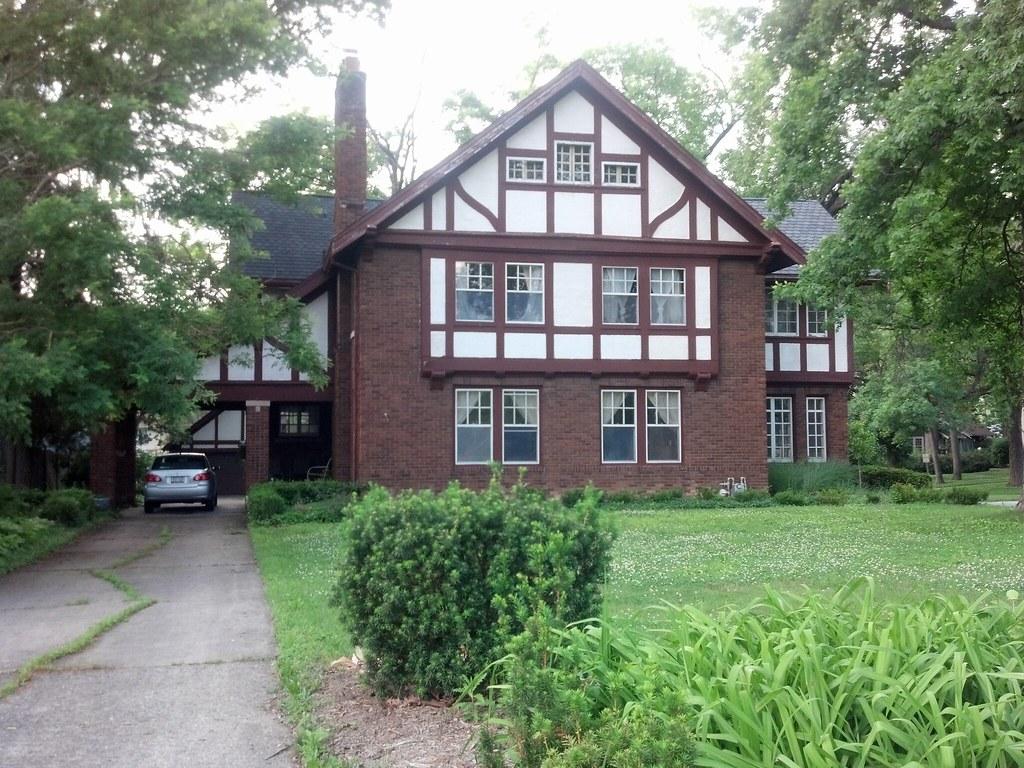
Fort Wayne's effective property tax rate of 0.85 percent of home value places the city above Indiana's statewide average of 0.68 percent, according to tax assessments filed with the Indiana Department of Local Government Finance. For a median home valued at $185,000 in Allen County, that difference translates to roughly $315 more annually in property taxes compared to a household in a lower-taxed county-money that compounds each year for residents already managing housing costs, childcare, and utilities.
The gap reflects how Indiana's property tax system works. While state law caps the tax rate statewide, each municipality controls its own levy through the local tax rate set by the city council and school board. Fort Wayne's combined rate-drawn from city operations, schools, libraries, and other county services-has remained relatively stable over the past decade, but it remains pinched higher than nearby communities. Columbus, Indiana, a comparable manufacturing hub 100 miles south, maintains an effective rate of 0.71 percent. Muncie's rate stands at 0.64 percent. Even Indianapolis, the state capital, comes in at 0.76 percent.
Why This Matters Now
As inflation pressures local budgets and the city grapples with aging water infrastructure and school funding, policymakers are caught between two demands. Raising property taxes further to fund city services would push Fort Wayne's burden even higher, potentially discouraging business relocation or home purchases. Holding rates steady risks underfunding essential services like street maintenance and fire protection. The city council approved a 2026 budget of $467 million in total expenditures across all funds, with property tax revenue contributing roughly 28 percent of general fund income.
Fort Wayne's school district, which consumes the largest share of the property tax bill, faces particular pressure. The Fort Wayne Community Schools system collected $418 million in the 2025-26 fiscal year, with property taxes funding about 40 percent of that total. Teacher salaries, facility upkeep, and special education services depend heavily on those collections. If the rate were frozen and inflation continued at 2-3 percent annually, the district would need to cut spending or pursue alternative revenue sources within five years, budget projections suggest.
What This Means for Fort Wayne Residents
A homeowner buying a $200,000 house in Fort Wayne pays roughly $1,700 annually in property taxes combined across city, school, and county services. That same property in Columbus would generate about $1,420 in annual taxes-a $280 difference each year. Over a 30-year mortgage, that adds up to $8,400 in additional cumulative costs.
Renters feel the effect indirectly. When landlords face higher property taxes, those costs often pass through in monthly rent. Data from the Fort Wayne Housing Authority and local property management firms show rental rates have risen 3.2 percent annually over the past three years, consistent with rising property tax obligations on rental properties.
Small business owners report the property tax burden influences decisions about expansion or relocation. A manufacturer looking to open a 50,000-square-foot facility pays roughly $425,000 annually in property taxes on a $50 million valuation in Fort Wayne, compared to $340,000 in Columbus. That $85,000 yearly difference can sway location decisions when margins are tight.
The city council next meets August 4 to discuss the 2027 budget framework. Property tax rate adjustments, if any, typically occur during budget hearings in fall, with final rates certified to the state by November. Residents can review current tax assessments on the Allen County Assessor's Office website or contact their district council member to request explanations of rate decisions.